| |
| Tuesday, 10 November 2026 |
| National Treasures: Saving London’s museums and art galleries in World War II |
| Caroline Shenton |
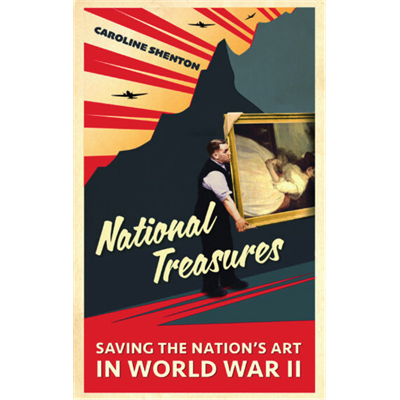 |
The gripping, sometimes hilarious story of how heroic curators and custodians saved Britain’s national heritage during our Darkest Hour. As Hitler’s forces gathered on the other side of the Channel, men and women from London’s national museums, galleries and archives forged extraordinary evacuation plans for their collections. Visitors are welcome to all our lectures, either in person or online via Zoom. A single visit costs £12 per person paid on the door at Bishop Perowne College or via eventbrite for online attendance. |
|
| Tuesday, 08 December 2026 |
| She Loves You: The Music of the Sixties 1960-1964 |
| Steve King |
 |
As Rock ‘n’ Roll faded by 1960, the Beatles emerged to shatter records and redefine music. This story covers the early 60s—an era of unparalleled innovation—exploring the major artists, iconic songs, and pivotal genres that shaped one of history’s most creative musical periods for a new generation. Visitors are welcome to all our lectures, either in person or online via Zoom. A single visit costs £12 per person paid on the door at Bishop Perowne College or via eventbrite for online attendance. |
|
| Tuesday, 12 January 2027 |
| Gainsborough a la mode |
| Amina Wright |
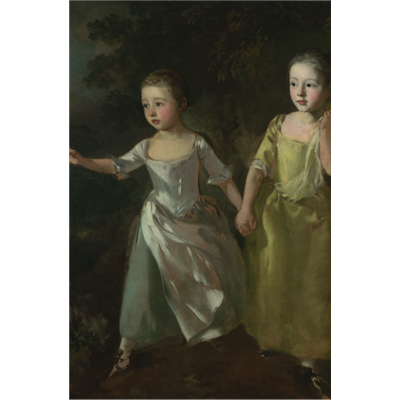 |
Thomas Gainsborough mastered portraiture by capturing not only the face but the clothing of his sitters, rendering the shimmer of silk and texture of wool. Rejecting stylized costumes, he insisted on accurate contemporary dress. His rich paintings are a Georgian fashion parade, featuring everything from elite elegance to humble workwear. |
|
| Tuesday, 09 February 2027 |
| Dame Laura Knight: A Life in Paint |
| Alison Bevan |
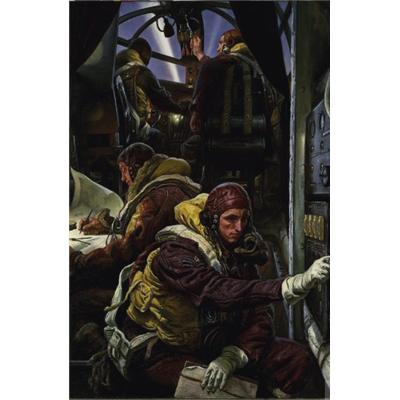 |
One of Britain’s most famous and popular artists of the mid-20th century, Dame Laura Knight achieved numerous firsts for women in art. Entering art school at just 15, she maintained a prolific career spanning painting, ceramics, and printmaking. This talk explores her diverse subjects—from Cornish landscapes and ballet to the Nuremberg Trials. |
|
| Tuesday, 09 March 2027 |
| Art behind Bars: The role of the Arts in breaking the cycle of crime, prison and re- offending |
| Angela Findlay |
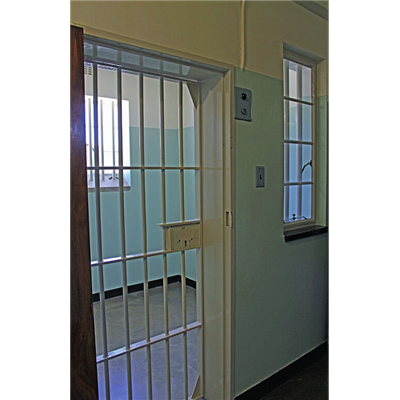 |
Working as an artist within the Criminal Justice System in England and Germany has given Angela insights into the destructive cycle of crime, prisons and re-offending. In this talk she offers a deeper understanding of the minds, lives and challenges of offenders. |
|
| Tuesday, 13 April 2027 |
| Bodley’s Buildings: the architecture of the Bodleian Library complex at Oxford |
| Justin Reay |
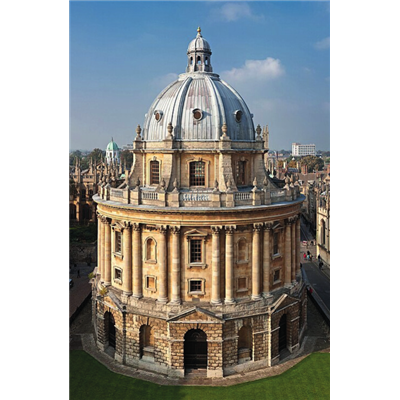 |
Begun in the 15th century and completed in 2015, the complex of buildings which make up the Central Bodleian Library site in Oxford offer a fascinating lexicon of architectural styles and tastes. This talk takes us on a unique journey through time and space in the heart of the University. |
|
| Tuesday, 11 May 2027 |
| Home is where the Art is: The Renaissance Palace Interior |
| James Lindow |
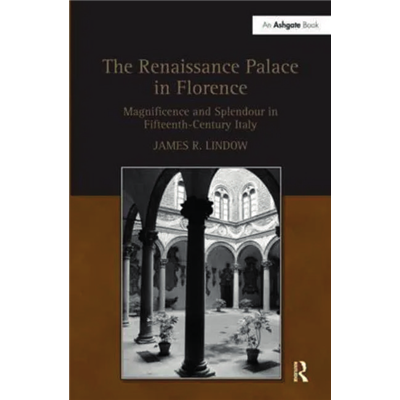 |
This lecture explores how Italian Renaissance urban palaces shaped the visual arts. Significantly many of the paintings, sculptures and decorative objects from this period were originally intended for the domestic interior. Drawing on historical sources, the opulence of the Renaissance palace interior is vividly recreated in all its splendour. |
|
| Tuesday, 08 June 2027 |
| Why can’t we read them? Conservation of the National Trust libraries |
| Caroline Bendix |
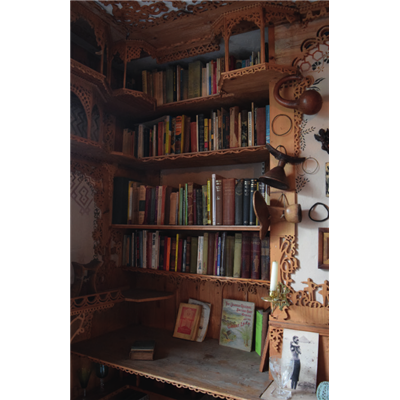 |
Preserving a book’s physical structure is just as vital as saving its words. The National Trust treats its 450,000 volumes as historical artifacts, where every stain or binding detail tells a story. Conservation ensures these “objects” survive modern research and visitor engagement while remaining authentic links to the past. |
|